Car Guides
| November 23, 2026
Top Maintenance Mistakes Canadian Car Owners Make During Winter
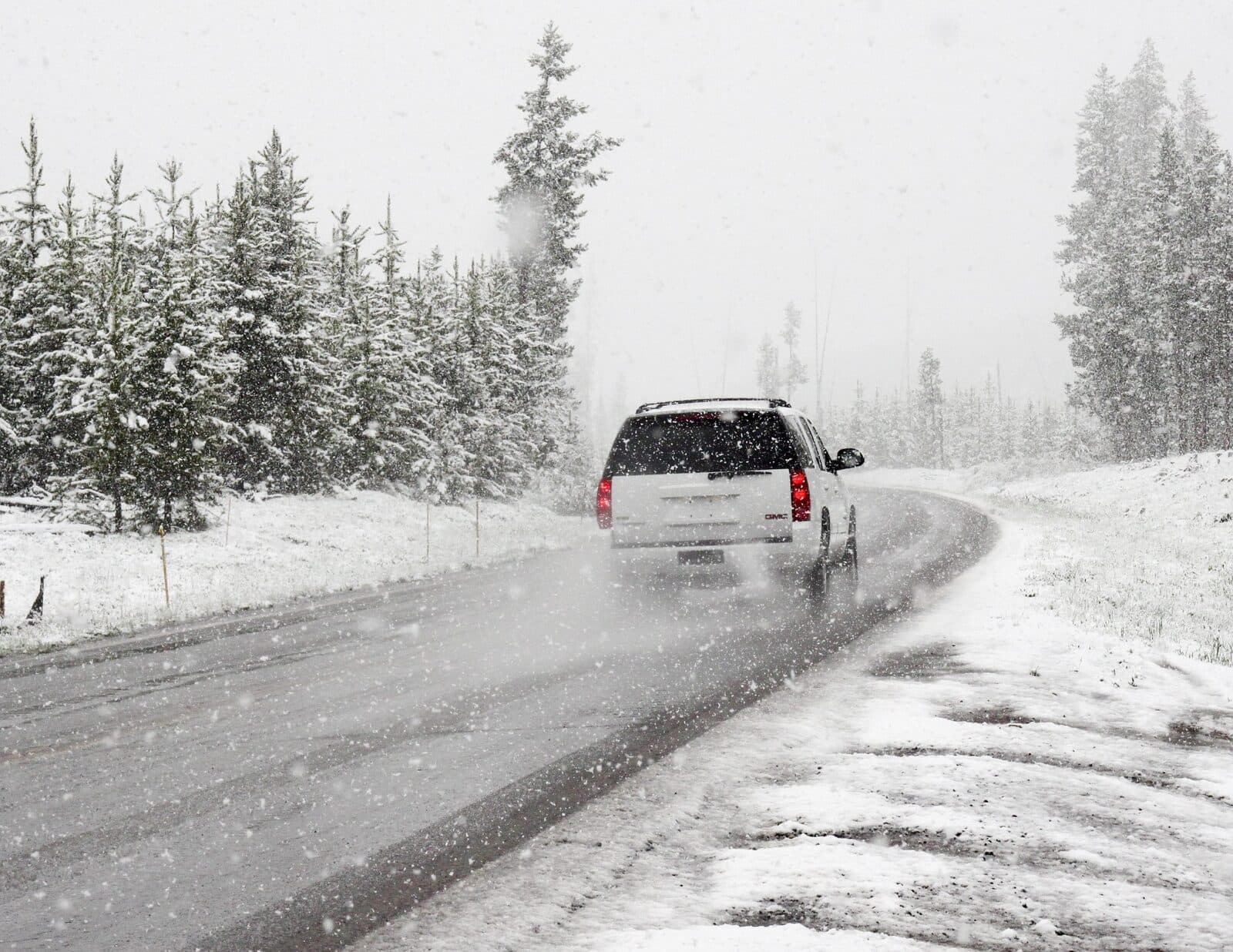
Many regions of Canada routinely face temperatures between –5°C and –20°C, with northern areas dipping even lower. Knowing how harsh the season can be, most drivers head into winter with their best efforts and a solid maintenance checklist: servicing the car, topping up fluids, installing winter tires, testing the battery, and more.
Yet even with this preparation, small oversights can still weaken a vehicle’s performance. These missed details often stay hidden until they result in unexpected breakdowns, safety issues, or costly repairs. Recognizing where drivers commonly slip up, even after completing their maintenance, helps keep a vehicle better prepared for the demands of freezing temperatures. Here are the top mistakes to watch for.
Winter Car Maintenance Insights For Canadians
Canadian drivers often commit vehicle basic maintenance errors in winter, including relying on all-season tires, neglecting battery and fluid checks, overlooking brake and lighting inspections, and failing to monitor tire pressure. These omissions increase accident risk, repair costs, and operational inefficiencies. Proactive maintenance, such as early inspections and seasonal preparation, helps ensure safer, more reliable winter vehicle performance.
What Are The Most Common Winter Car Maintenance Mistakes Canadian Drivers Make?
Relying on all-season tires in winter
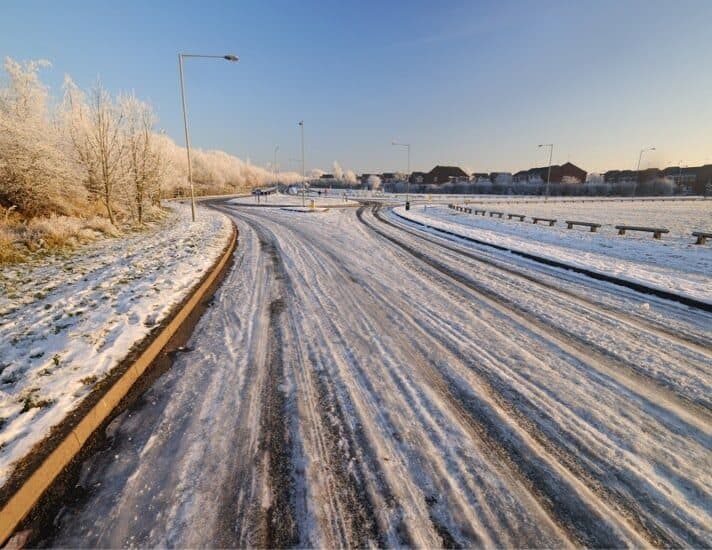
Canadian winters regularly drop below 7°C, where all-season rubber hardens and loses grip, making winter tires one of the most important things to maintain in a car for safe seasonal driving. Without winter-grade tread and sipes, drivers face longer stopping distances and higher sliding risk on snow and ice.
Ignoring battery health before cold weather hits
Freezing temperatures drastically reduce a battery’s output. Weak or aging batteries struggle to deliver Cold Cranking Amps, making no-start situations extremely common during Canadian cold snaps.
Not checking the coolant level or antifreeze strength
Harsh Canadian lows can freeze weak coolant mixes. Low levels or incorrect concentration allow ice formation in the engine, cause overheating, and lead to costly freeze or pump damage.
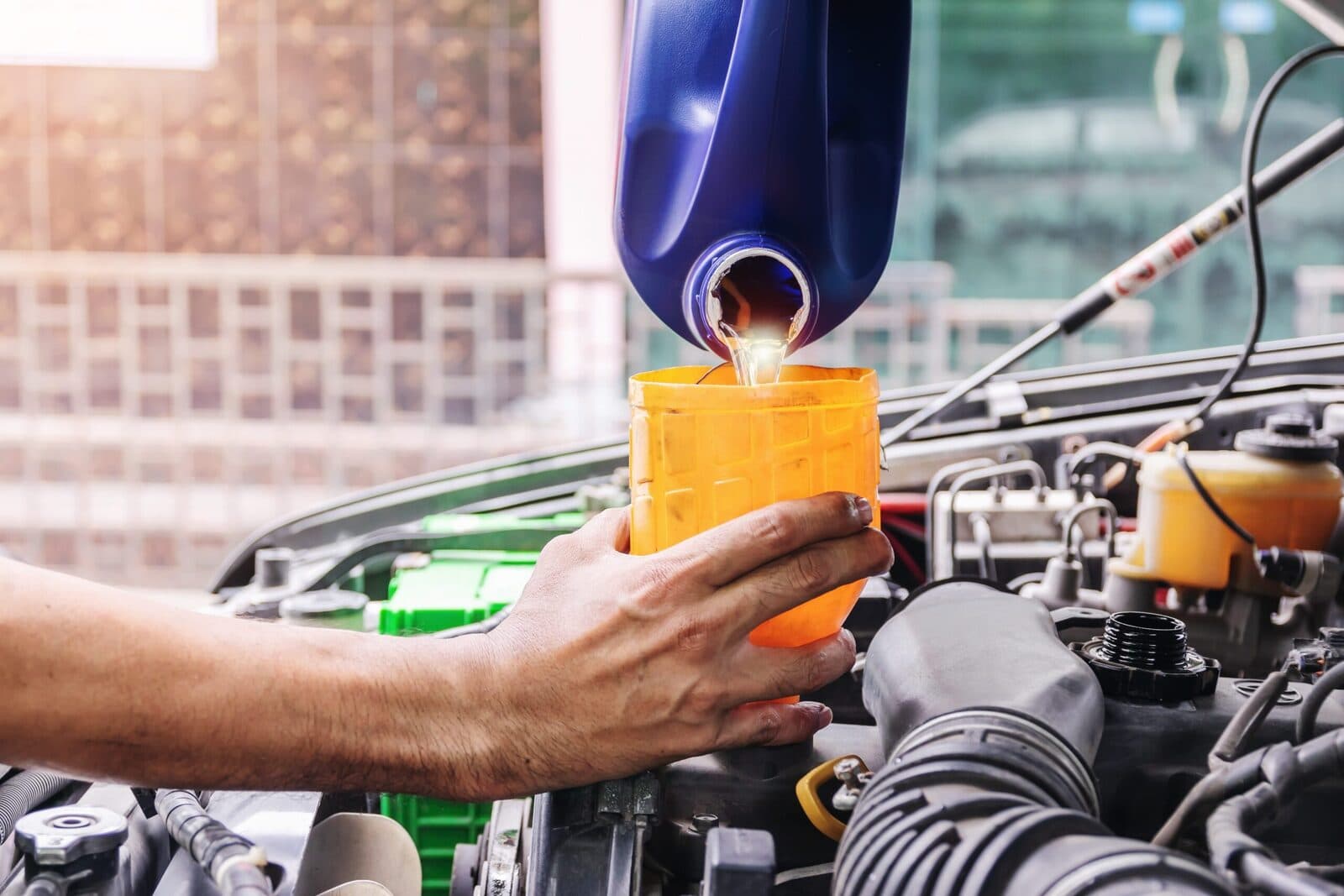
Using summer-grade or thick oil in winter
Cold temperatures thicken oil, delaying circulation at startup. Without winter-rated viscosity, engines experience higher friction and wear, especially after overnight freezes.
Neglecting tire pressure during cold drops
A sharp temperature fall, common in Canada, reduces tire pressure by 1–2 psi per 10°C. Underinflated tires lose grip, respond poorly on snow, and increase the chance of skidding.
Keeping worn wipers and summer washer fluid
Canadian roads kick up salt and slush that demand strong visibility. Worn blades streak heavily, and summer washer fluid freezes, leaving drivers unable to clear the windshield when it matters most.
Skipping undercarriage cleaning after salty roads
Road salt used across Canada accelerates corrosion on brake lines, suspension parts, and the vehicle frame. Slush buildup traps moisture, speeding rust that compromises safety-critical components.
Putting off winter brake inspections
Salt, moisture, and repeated freezing cause calipers to seize and pads to glaze. These issues reduce braking power and make stopping distances unpredictable on icy Canadian roads.
Not maintaining headlights and taillights
Salt film, grime, and corroded electrical contacts dim lighting. In snow, fog, or blowing ice, reduced light output makes it harder to see and be seen, especially on rural Canadian highways.
Driving without a winter emergency kit
Breakdowns in Canadian winter conditions can become dangerous fast. Without essentials, boosters, blankets, a shovel, and traction aids, drivers are vulnerable during sudden storms, long waits, or remote-area failures.
What Are The Consequences Of Maintenance Negligence During The Winter Season?
Increased Risk Of Accidents
When critical systems are not properly maintained, the vehicle becomes less predictable during maneuvers on winter roads. Reduced stability, unpredictable handling responses, and slower operational reaction times increase the likelihood of collisions, especially in situations requiring sudden braking or quick directional changes.
Higher Repair And Replacement Costs
Minor wear, small leaks, or partially degraded parts can deteriorate rapidly under winter strain, leading to expensive component replacements or major repair interventions that could have been avoided with timely maintenance of vehicles.
Reduced Fuel Efficiency
A poorly maintained vehicle operates with greater internal resistance and reduced mechanical smoothness. Winter strain magnifies these inefficiencies, causing the engine to work harder and burn more fuel to achieve the same output. This results in noticeably higher fuel consumption throughout the season.
Visibility Hazards And Safety Risks
Accumulated grime, dim lighting, and compromised clearing of snow or moisture make it harder for drivers to see and be seen. This significantly increases safety risks in low-light, stormy, or high-traffic winter environments.
Compromised Cabin Comfort And Temperature Control
A poorly maintained heating and ventilation system can struggle to maintain cabin warmth in extreme cold. Faulty thermostats, blocked airflow pathways, or weakened HVAC components result in inconsistent cabin temperatures, reduced defrosting ability, and discomfort for passengers during long winter drives.
Faulty Sensor Responses And System Malfunctions
Winter neglect can cause dirt, ice buildup, or electrical issues that interfere with sensors used by modern vehicles, such as ABS, traction control, parking sensors, and advanced driver-assistance features. When these systems receive distorted or delayed inputs, they may provide inaccurate feedback or deactivate unexpectedly.
How To Avoid These Maintenance Mistakes?
To help drivers stay safer on the road, here are some of the best car maintenance tips that prevent these common winter issues.
| Maintenance Prevention Step | How It Helps Avoid Mistakes |
|---|---|
| Monitor Dashboard Alerts and Address Issues Immediately | Prevents minor mechanical or electronic problems from escalating under extreme cold and increased winter load. |
| Switch to Season-Appropriate Tires and Monitor Their Condition | Ensures reliable traction and handling by using tires designed for cold temperatures and winter road surfaces. |
| Maintain Proper Fluid Levels and Use Winter-Ready Formulations | Prevents freezing, supports smooth engine operation, and maintains system performance through temperature fluctuations. |
| Keep the Braking System in Optimal Condition | Maintains stable braking performance and prevents inconsistencies that winter driving can amplify. |
| Prepare a Fully Equipped Winter Emergency Kit | Helps manage unexpected delays, stuck vehicles, or breakdowns safely during severe winter conditions. |
| Schedule a Comprehensive Winter Inspection Early | Identifies worn or weakened components before cold weather increases mechanical stress, preventing failures during winter. |
Conclusion
With all the above-mentioned auto maintenance tips, you can keep your car well-prepared and reduce many of the seasonal challenges that winter brings. Still, if your vehicle is starting to feel unreliable or the upkeep is becoming too frequent, it may be worth considering a more dependable option for the months ahead.
This is where GetGoing can support you. Whether you're exploring upgraded vehicle options or simply planning your next step, our transparent financing process makes it easy to apply for a car loan in Canada without complications. You can also use our credit calculator to understand your budget and choose a vehicle that fits your financial comfort. When you combine proper winter readiness with a car you can trust, your winter driving experience becomes more confident, smooth, and stress-free!
Frequently Asked Questions
How often should I check my tire pressure during winter?
Check your tire pressure at least once every two weeks during winter, ideally weekly when temperatures drop sharply. Cold air reduces tire pressure (1 PSI for every 5–6°C drop), which can lead to poor traction, increased tire wear, and reduced fuel efficiency. Make sure your winter tires match the manufacturer’s recommended PSI and adjust when temperatures fluctuate.
Why does my battery die more often in winter, and how can I avoid it?
Cold weather reduces battery power significantly, making it harder to start your engine. Keep the terminals clean, avoid too many short trips, and use a battery blanket or block heater in extreme cold. If your battery is 3–5 years old, consider replacing it before winter.
How can I stop my car doors and locks from freezing?
Apply silicone spray on door seals and use a graphite or de-icer lubricant in locks before temperatures drop. Keep door frames dry and park in sheltered areas when possible. Always keep a lock de-icer outside the vehicle for emergencies.
What should I keep in my winter emergency car kit?
A winter emergency car kit should include jumper cables, an ice scraper, a shovel, warm clothing, a flashlight, snacks, water, a phone charger, traction aids, and a first-aid kit for safety.